Goodbye Static, I'm Switching to Astro
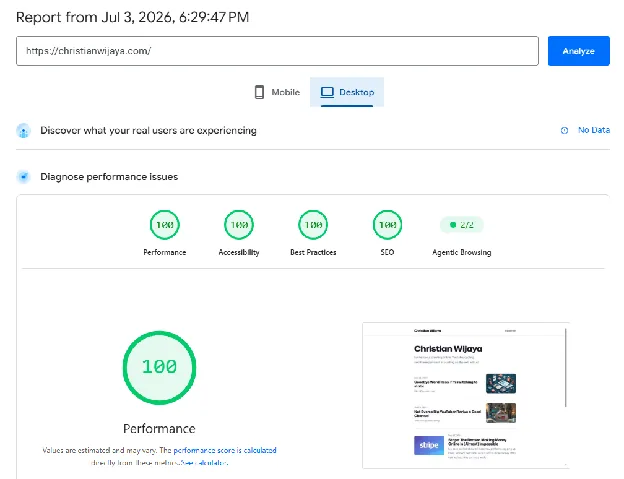
Well, it’s been a while.
Things have changed, and mostly for the better.
I moved to a quieter neighborhood, I paid my house in full after 3.5 years, and the past year has been unreal.
Not only that…
My YouTube project has been decently successful.
My blogs, not so much. But I’m reeling back to it because for whatever reason the demand for SEO is higher than ever.
Like, what?
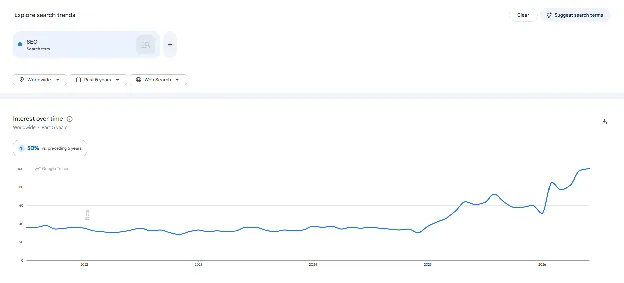
I suppose people are longing for high-quality, relevant, and human content.
And not to mention, people just use AI agents to do their own research. They still need content, but instead of being served by traditional websites, AI agents cite traditional websites to be served to the users.
Lower views for website owners, sure. But if applied strategically, they may get just the same or even higher conversion.
Interesting.
Anyway, my last blog post was me talking about how I transitioned away some of my WordPress sites to a more simple, static format.
At the time of this writing, only 3 out of 10 websites I handle are on WordPress.
Many static websites are currently being migrated to Astro, a faster, more SEO-friendly, and robust framework than a static page.
There are thousands of pages, millions of parts to worry about. And yet, I did it.
How do I do it?
It’s with blood and tears, I read an endless list of documentation, watched every tutorial, and pulled all-nighters to learn this technology.
I just asked AI to do it for me.
“Hey ChatGPT, make my website faster. No mistake”
And it was great.
It’s easy, fast, and cheaper than any engineer.
It handles SEO pretty well too.
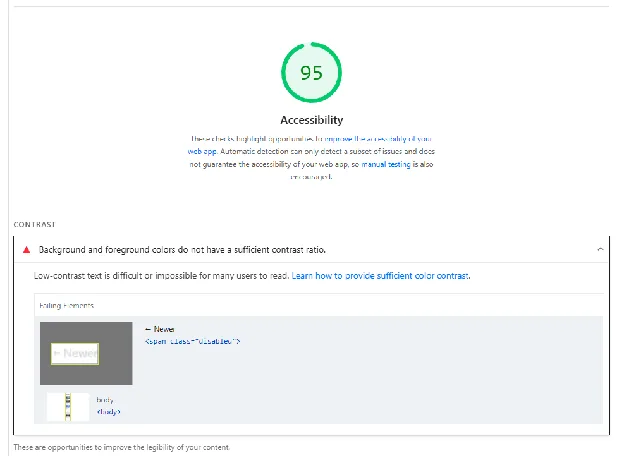
Achieving all greens in PageSpeed Insights on WordPress is a nightmare task.
With a static site, it was manageable.
But with Astro + AI. It was a walk in the park.
If I want to publish a new piece of article or create new pages, I just need to tell AI the brief, and it will do the rest.
Not to forget, this can be done from a phone, too.
After all, there is no dashboard, no editor, no traditional interface to speak of.
It’s all in a familiar chat interface – something that most people can understand in just a few minutes of using.
For me, this is just no brainer.
I really wonder if CMS like WordPress could survive in this new vibe-coding agentic AI era.
Sure, there are many use cases of WordPress that AI couldn’t replace right away.
But surely, it will make a dent.
I’m not saying WordPress is a bad choice. After all, 3 out of my 10 sites are on WordPress.
But perhaps for the first time, its growth may stop, or maybe even shrink (I haven’t checked the data).
All things considered, WordPress is no longer my primary way of building websites, thanks to AI.
Astro is faster, cheaper, easier (with AI), and safer than WordPress. This is the way forward.
And that’s it from me…
There are many more things that I have discovered and learned in the past two years or so. I’m excited to share many of them in this blog.
For 2-3 people that might accidentally open this post, thank you for coming by.
I’ll see you all in the next post.